
Strategic Renewal in an Age of Disruption and Divine Promise
Abstract
The contemporary world is marked by rapid transformation and deep uncertainty, often described through conceptual frameworks such as VUCA (volatile, uncertain, complex, ambiguous), BANI (brittle, anxious, nonlinear, incomprehensible), and RUPT (rapid, unpredictable, paradoxical, tangled). These frameworks reflect humanity’s growing sense of instability and disorientation. This has perhaps also contributed to the trending loss of faith and increasing depression across the spectrum of humanity.
Yet within the Islamic tradition, instability and despair are not merely a sociological phenomenon—it is a spiritual moment in history calling for tajdīd, the divinely promised renewal of the religion. The Prophet ﷺ said, “Allah will send to this Ummah every hundred years someone who will renew its religion” (Abū Dāwūd). Renewal, therefore, is not optional; it is a sacred rhythm built into the life of the Ummah.
In this context of global disruption, the mission of Daʿwah—the invitation to divine guidance, peace, harmony and salvation —gains renewed urgency. This reflective piece explores the theological foundations of Daʿwah, presents a four-level model of desired outcomes grounded in Qur’ānic and Prophetic sources, and outlines strategic considerations necessary for impactful engagement today. It argues that Daʿwah must harmonize spiritual authenticity with deep situational analysis, audience literacy, and institutional competence. In a fragmented world yearning for meaning, Daʿwah must embody mercy, clarity, wisdom, and renewal—guiding humanity toward stability, harmony and hope.
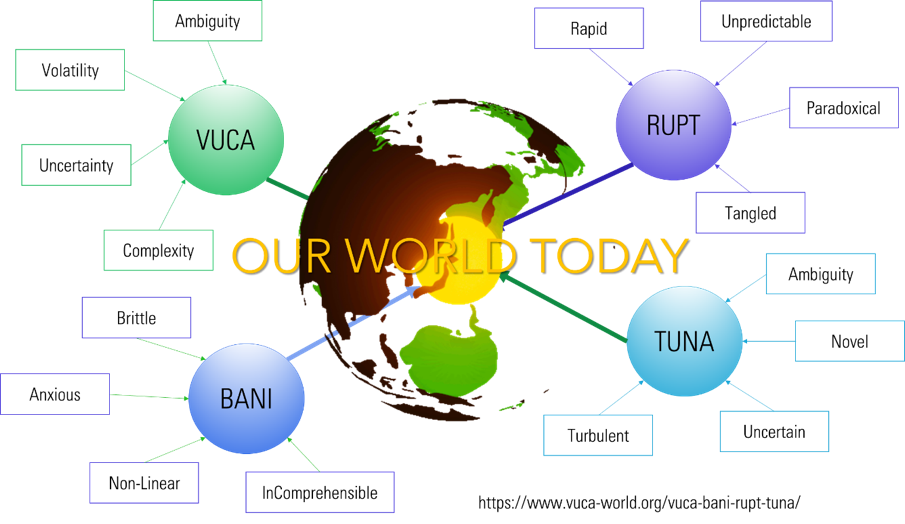
In such a world, truth becomes harder to discern, institutions struggle to anchor their communities, and individuals face crises of meaning. Our Ummah is not immune to these forces. Indeed, the global Muslim community experiences both external pressures and internal fragmentation that threaten its cohesion and mission.
Yet the Islamic tradition carries a remarkable reassurance:
periods of disruption are precisely the moments in which Allah renews the Ummah.
The Prophet ﷺ declared:
«إِنَّ اللَّهَ يَبْعَثُ لِهَذِهِ الأُمَّةِ عَلَى رَأْسِ كُلِّ مِائَةِ سَنَةٍ مَنْ يُجَدِّدُ لَهَا دِينَهَا»
“Allah will send to this Ummah every hundred years someone who will renew its religion.”
(Abū Dāwūd)
This ḥadīth of tajdīd reframes instability not as a threat, but as a divine opportunity—an invitation for revival, clarity, and strategic reorientation.
In this light, Daʿwah—the call to Allah—becomes the vehicle of renewal.
It becomes our Ummah’s contribution to a world adrift and in rift.
It becomes an act of global mercy – Rahmatan Lil ‘Alamin.
وَمَآ أَرْسَلْنَـٰكَ إِلَّا رَحْمَةًۭ لِّلْعَـٰلَمِينَ ١٠٧
We have sent you ˹O Prophet˺ only as a mercy for the whole world. 21:107
The Arabic term Daʿwah (دعوة) signifies “invitation,” specifically an invitation to recognize Allah’s oneness and to live a life aligned with divine guidance. The Qur’ān posits Daʿwah as a universal responsibility:
﴿وَمَنْ أَحْسَنُ قَوْلًا مِمَّن دَعَا إِلَىٰ اللَّهِ وَعَمِلَ صَالِحًا وَقَالَ إِنَّنِي مِنَ الْمُسْلِمِينَ﴾
“Who is better in speech than one who calls to Allah, does righteous deeds, and says, ‘Indeed, I am of the Muslims’?” (Qur’ān 41:33)
Historically, Daʿwah has encompassed preaching, ethical behavior, community service, governance, and intellectual exchange. Our Prophet Muhammad ﷺ embodied Daʿwah through compassion, wisdom, diplomacy, and moral excellence.
قُلْ هَـٰذِهِۦ سَبِيلِىٓ أَدْعُوٓا۟ إِلَى ٱللَّهِ ۚ عَلَىٰ بَصِيرَةٍ أَنَا۠ وَمَنِ ٱتَّبَعَنِى ۖ وَسُبْحَـٰنَ ٱللَّهِ وَمَآ أَنَا۠ مِنَ ٱلْمُشْرِكِينَ ١٠٨
Say, ˹O Prophet,˺ “This is my way. I invite to Allah with insight—I and those who follow me. Glory be to Allah, and I am not one of the polytheists.” (Quran 12:108)
Consistent with the prophetic practices – sunnah; the contemporary global context demands not only theological fidelity but also holistic engagements with strategic precision.
This reflective piece integrates the four-tiered model of Daʿwah outcomes, ranging from reducing hostility to inviting individuals into Islam, and demonstrates how these levels are rooted in scripture and Prophetic practice. The aim is to articulate a holistic, future-oriented framework for Daʿwah that remains true to Islamic teachings while responding to the complexities of modern societies.
The Qur’anic and Prophetic Foundations of Da’wah
Defining Da’wah
In its broadest sense, Da‘wah signifies an invitation—not coercion—to understanding and embodying the truth and practice of Islam. It encompasses verbal communication, ethical conduct, community service, and social example. The Qur’ān identifies the Muslim community as one entrusted with moral responsibility: “You are the best community brought forth for humankind: you enjoin what is right, forbid what is wrong, and believe in Allah” (Qur’ān 3:110). Classical scholars, such as Al-Ghazālī and Ibn Taymiyyah, emphasized that Da‘wah is structurally linked to the moral formation of individuals and societies. It is a transformative process concerned with hearts, minds, and social systems.
The Prophetic model offers the clearest demonstration of Da‘wah’s methodologies. The Prophet Muhammad ﷺ embodied mercy, relational intelligence, and empathy as intrinsic components of his mission, as affirmed in the Qur’ān: “And We have not sent you except as a mercy to the worlds” (Qur’ān 21:107). His sayings further reinforce this gentle method: “Gentleness is not found in anything except that it beautifies it; and it is not removed from anything except that it makes it defective” (Muslim). Prophetic Da‘wah was deeply humanistic—rooted in listening, patience, trust-building, and context sensitivity. These qualities provide indispensable ethical guideposts and framing for contemporary Da‘wah.
In an inspirational sense, Da‘wah calls Muslims to embody the Qur’ānic vision of hope: “And who is better in speech than one who calls to Allah, does righteous deeds, and says, ‘Indeed, I am of the Muslims’” (Qur’ān 41:33). This verse reminds Da‘wah practitioners that the nobility of our mission depends not only on the truth of the message but also on the righteousness of our actions and the sincerity of our identity.
Quranic Framework
The central Qur’ānic command for Daʿwah appears in Sūrat al-Naḥl:
﴿ٱدْعُ إِلَىٰ سَبِيلِ رَبِّكَ بِٱلْحِكْمَةِ وَٱلْمَوْعِظَةِ ٱلْحَسَنَةِۖ وَجَادِلْهُم بِٱلَّتِي هِيَ أَحْسَنُ﴾
“Invite to the way of your Lord with wisdom and good instruction, and argue with them in the best manner.” (Qur’ān 16:125)
This verse contains methodology (wisdom, good instruction, best discourse) and ethics (gentleness, respect), foundational to the Prophetic mission.
Another verse establishes Daʿwah as part of the identity of the Muslim community:
﴿كُنتُمْ خَيْرَ أُمَّةٍ… تَأْمُرُونَ بِالْمَعْرُوفِ وَتَنْهَوْنَ عَنِ الْمُنكَرِ﴾
“You are the best community… you enjoin good and forbid evil.” (Qur’ān 3:110)
Daʿwah is thus not optional; it is a constitutive feature of the ummah.
Prophetic Model
The Prophet ﷺ invited people to Islam with wisdom, patience, and mercy. His mission is described:
﴿وَمَا أَرْسَلْنَاكَ إِلَّا رَحْمَةً لِّلْعَالَمِينَ﴾
“We have not sent you except as a mercy to the worlds.” (Qur’ān 21:107)
His method emphasized gentleness, as he said:
«إِنَّ الرِّفْقَ لَا يَكُونُ فِي شَيْءٍ إِلَّا زَانَهُ…»
“Gentleness is not found in anything except that it beautifies it.” (Muslim)
The Prophet ﷺ tailored his message to diverse audiences—tribal leaders, youth, rulers, and the marginalized—demonstrating a model of strategic communication grounded in compassion.
The Four Levels of Desired Outcomes of Da’wah
A holistic understanding of Daʿwah recognizes that its outcomes unfold across four ascending levels, each supported by Qur’ānic and Prophetic evidence.
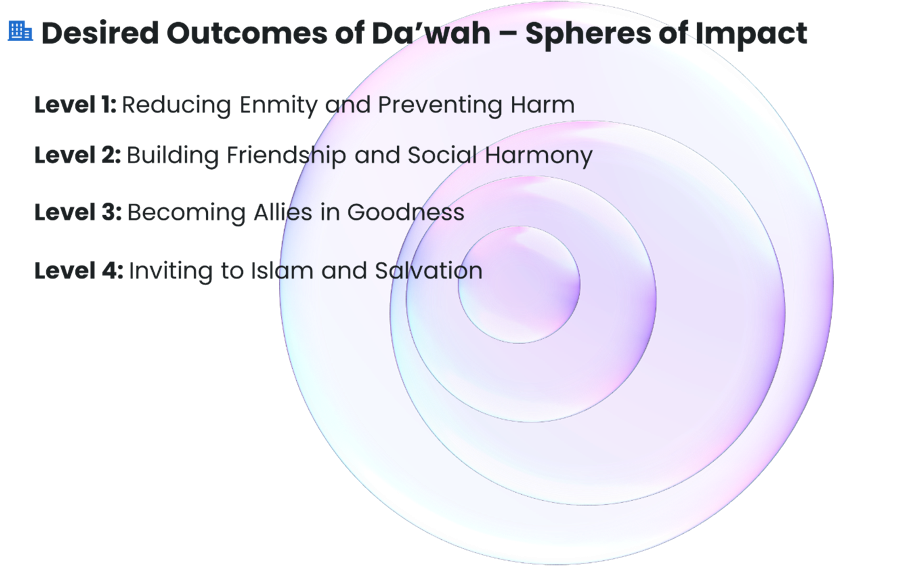
Level 1: Reducing Enmity and Preventing Social Harm
This foundational level seeks social de-escalation, reducing hostility, and promoting safety.
Qur’ānic Evidence
- Repelling hostility with goodness
﴿ادْفَعْ بِالَّتِي هِيَ أَحْسَنُ﴾
“Repel (evil) with what is better…” (Qur’ān 41:34)
- Avoiding harmful or provocative engagement
﴿وَإِذَا سَمِعُوا اللَّغْوَ أَعْرَضُوا عَنْهُ﴾
“When they hear vain speech, they turn away from it.” (Qur’ān 28:55)
Prophetic Evidence
«الْمُسْلِمُ مَنْ سَلِمَ النَّاسُ مِنْ لِسَانِهِ وَيَدِهِ»
“A Muslim is one from whose tongue and hand people are safe.” (Bukhari & Muslim)
Strategic significance:
Any Daʿwah effort must first establish safety, stability, and de-escalation. Without stability, Daʿwah struggles to flourish.
Level 2: Building Friendship, Trust and Social Harmony
This level creates positive relationships with people of other faiths, cultures, and backgrounds.
Qur’ānic Evidence
- Kindness and justice toward peaceful non-Muslims
﴿أَنْ تَبَرُّوهُمْ وَتُقْسِطُوا إِلَيْهِمْ﴾
“(Allah does not forbid you) from showing them kindness and justice…”
(Qur’ān 60:8)
- Mutual recognition and social cohesion
﴿لِتَعَارَفُوا﴾
“So that you may know one another.” (Qur’ān 49:13)
Prophetic Evidence
The Prophet ﷺ stood for the funeral of a Jewish man:
«أَلَيْسَتْ نَفْسًا؟»
“Was he not a human soul?” (Bukhari & Muslim)
Strategic significance:
Trust-building is essential for Daʿwah effectiveness, enabling dialogue and dispelling stereotypes.
Level 3: Becoming Allies in Goodness and Common Causes
This is cooperation with others—Muslims and non-Muslims—for justice, welfare, and moral betterment.
Qur’ānic Evidence
﴿وَتَعَاوَنُوا عَلَى الْبِرِّ وَالتَّقْوَىٰ﴾
“Cooperate in righteousness and piety.” (Qur’ān 5:2)
Prophetic Evidence
The Prophet ﷺ said regarding the pre-Islamic justice pact:
«وَلَوْ دُعِيتُ بِهِ فِي الْإِسْلَامِ لَأَجَبْتُ»
“If I were invited to it (today), I would respond.”
(Ahmad)
Historical Evidence: The Constitution of Madinah
“وَإِنَّ بَيْنَهُمْ النَّصْرَ عَلَى مَنْ دَهَمَ يَثْرِبَ”
“They shall support one another against anyone who attacks Yathrib.”
Strategic significance:
Alliances enable Muslim communities to shape society positively, defend justice, and enhance moral authority.
Level 4: Embracing Islam and Attaining Salvation
The ultimate spiritual objective of Daʿwah is guiding individuals toward Islam for their salvation.
Qur’ānic Evidence
- Direct call to Islam
﴿ٱدْعُ إِلَىٰ سَبِيلِ رَبِّكَ﴾ (Qur’ān 16:125)
- Salvation through surrender to Allah
﴿وَمَن يَبْتَغِ غَيْرَ ٱلْإِسْلَٰمِ دِينًا فَلَن يُقْبَلَ مِنْهُ﴾
“Whoever seeks a religion other than Islam, it will not be accepted.” (Qur’ān 3:85)
Prophetic Evidence
«لَأَنْ يَهْدِيَ اللَّهُ بِكَ رَجُلًا وَاحِدًا…»
“That Allah guides one person through you is better than red camels.”(Bukhari)
Strategic significance:
This level must be approached through wisdom, compassion, and non-compulsion (Qur’ān 2:256), encouraged but never forced.
The Role of, and Failures Without – Strategic Da’wah
Why the need to be Strategic
While Da‘wah’s spiritual essence remains fixed, its operational success depends on strategic planning. Strategy in Da‘wah does not negate reliance on God (tawakkul); rather, it reflects the Prophetic balance between trust and tactical wisdom. The Prophet ﷺ demonstrated strategic acumen in the gradual revelation of teachings, the selection of envoys, the forging of treaties, and the cultivation of alliances. His dispatch of Mus‘ab ibn ‘Umair to Yathrib prior to the hijrah exemplifies proactive, audience-based strategic preparation.
From a modern perspective, strategy ensures coherence between mission, resources, and outcomes. It requires:
- clear objectives,
- understanding of target audiences,
- selection of appropriate communication channels,
- allocation of trained personnel,
- and systematic evaluation of results.
Without Proper Strategies
Without strategy, da‘wah risks devolving into fragmented activities lacking continuity, impact, or relevance. Common failures include:
- Activity-driven rather than outcome-oriented efforts, where events are held without assessing effectiveness.
- Insufficient audience analysis, leading to culturally misaligned or ineffective messaging.
- Overreliance on preaching, neglecting mentorship, community service, and character-based outreach.
- Professional and organizational weaknesses, including lack of training, financial planning, or governance.
- Avoidance vs Abuse of digital engagement, some Islamic groups avoid digital engagements as fitnah despite its centrality in shaping public opinion, while other Islamic groups failed to portray Islam in the best of light in their digital engagements.
Da’wah must be built using strengths and proper alignments
Islamic tradition encourages strategic thinking within ethical boundaries. The Prophet ﷺ taught a principle that resonates with modern strategic logic: “The strong believer is better and more beloved to Allah than the weak believer… Strive for that which benefits you, seek the help of Allah, and do not give up” (Muslim). This ḥadīth integrates planning, effort, and divine reliance—all essential to developing effective and sustainable Da‘wah initiatives.
The success of Daʿwah is contingent on aligning its aims with appropriate strategic methodologies. Each of the four levels corresponds to specific strategies:
| Level | Strategic Priority |
| Level 1 | Conflict reduction, community safety |
| Level 2 | Social harmony, intercultural engagement |
| Level 3 | Civic partnerships, justice coalitions |
| Level 4 | Wisdom-based religious invitation |
Strategic failures—such as poor audience analysis, overemphasis on preaching, lack of digital engagement, and organizational weaknesses—undermine these outcomes.
To be continued in Part 2, inshaAllah.
